


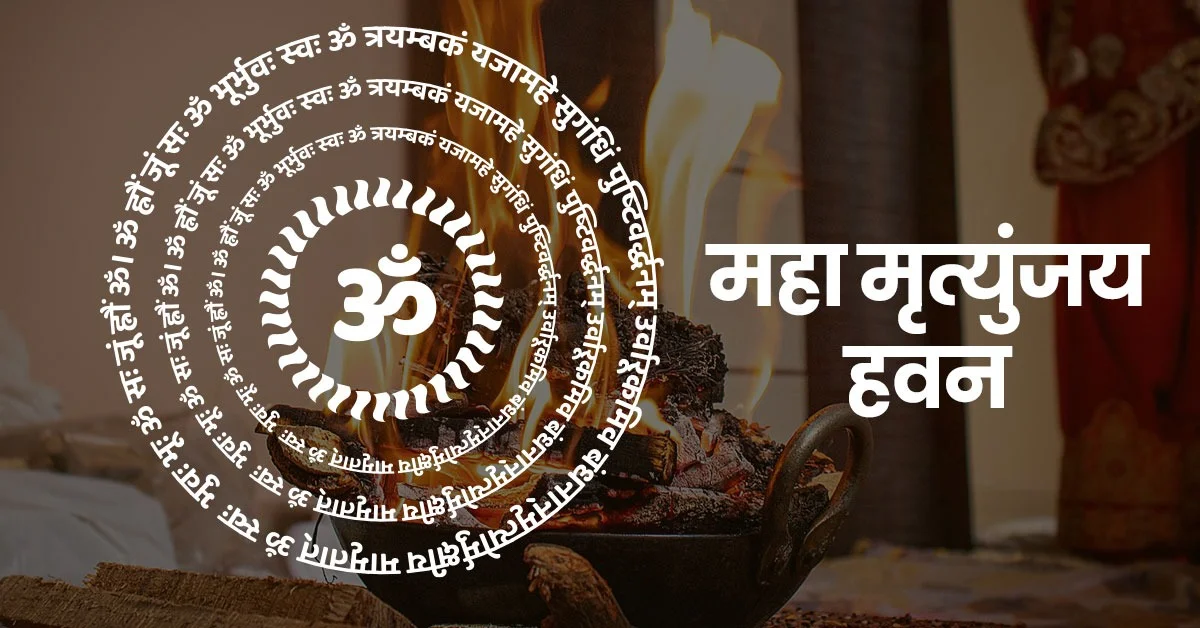
Mahamrityunjay Jaap Puja Trimbakeshwar
What Is Mahamrityunjay Jaap Puja?
Mahamrityunjay Jaap is the dedicated repetition (jaap) of the Mahamrityunjaya Mantra, a powerful Vedic hymn to Lord Shiva in his Tryambaka (three-eyed) form. The practice is performed to seek protection from fear, serious illness, and untimely obstacles, to strengthen vitality, and to invite peace, healing, and spiritual stability.
When organised as a full Mahamrityunjay Jaap Puja, qualified pandits lead the sankalp, invocation, structured chanting, and concluding offerings so the mantra is completed with correct pronunciation, rhythm, and ritual discipline.
Why Perform Mahamrityunjay Jaap at Trimbakeshwar?
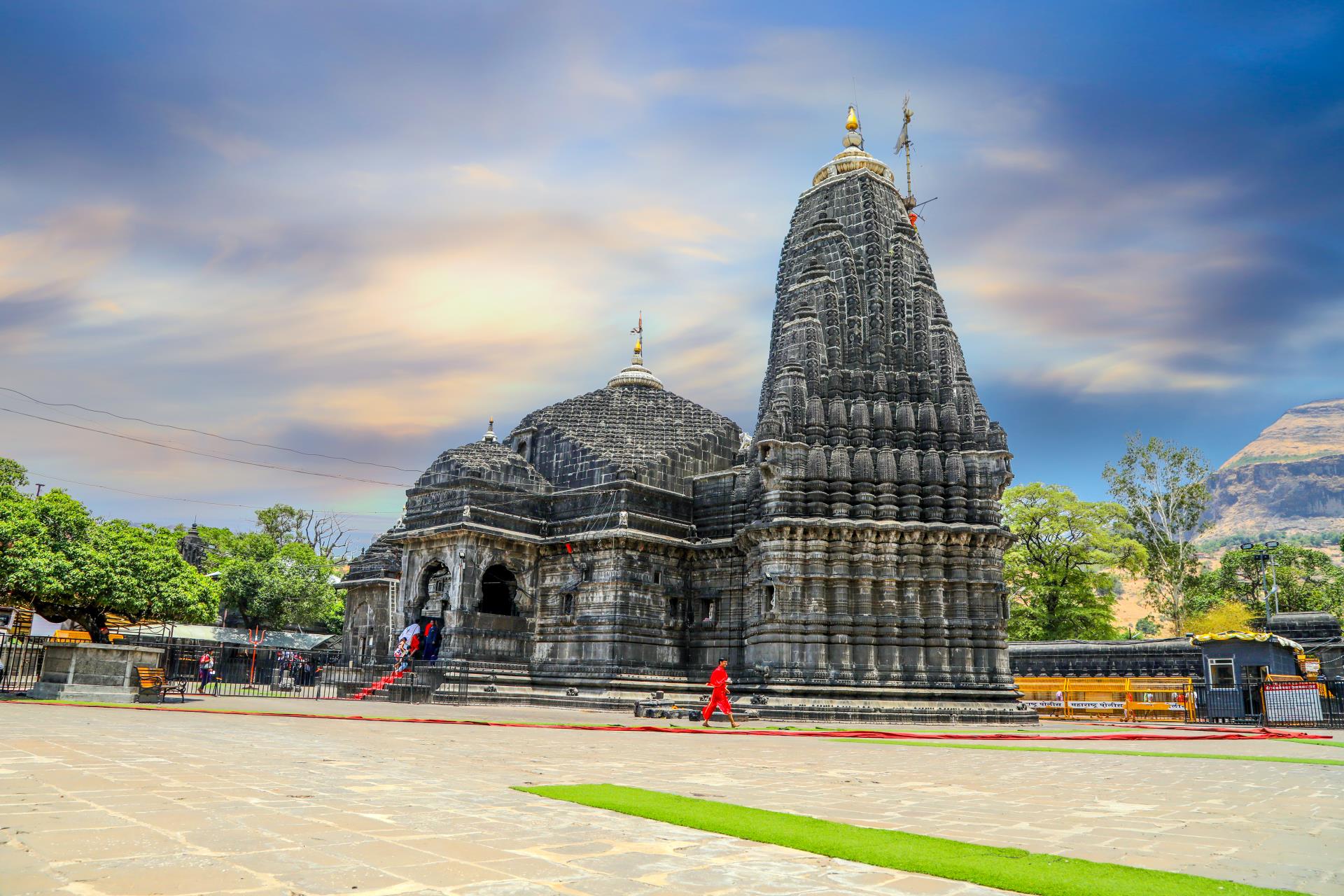
Trimbakeshwar Jyotirlinga, near Nashik, Maharashtra, is traditionally linked to Lord Shiva as Tryambakeshwar, the three-eyed Lord referenced in the mantra’s opening (“Tryambakam”). Devotees therefore often choose Trimbakeshwar for high-count jaap (including longer programmes such as 1.25 lakh jaap when advised) to align the ritual with the potency of the Jyotirlinga and established Vedic practice in the region.
The Mahamrityunjaya Mantra (Essence)
The mantra glorifies Lord Shiva as the nourisher who liberates from bondage, symbolically tied to freedom from fear of death and deep karmic stress. A pandit-led puja typically weaves the mantra with preparatory verses, nyas (placement), and offerings rather than casual repetition alone.
When Is Mahamrityunjay Jaap Most Auspicious?
Common auspicious windows include:
Mondays and monthly Shivaratri
Shravan (Sawan) month
Pradosh periods aligned to Shiva worship
During health recovery, major life transitions, or when recommended after horoscope review
Exact muhurat should be fixed with your pandit based on nakshatra, tithi, and personal kundali considerations.
Mahamrityunjay Jaap Puja Vidhi (Overview)
1. Sankalp
The devotee’s name, gotra, purpose (health, longevity, protection, peace), and intended mantra count are declared.
2. Ganesh Puja & Kalash
Invocation for obstacle-free completion and installation of the sacred vessel.
3. Shiva Avahana & Nyas
Formal invitation of Lord Shiva and ritual placement as per tradition.
4. Mahamrityunjaya Mantra Jaap
Systematic chanting with rosary (rudraksha mala) or as prescribed; may span multiple sessions for large counts.
5. Abhishek / Archana (as included)
Many programmes combine jaap with Shiva abhishek or archana to deepen the blessing.
6. Havan, Aarti, Purnahuti & Prasad
Fire offerings where applicable, aarti, completion, and blessings.
Duration varies from a few hours to multiple days depending on mantra count and temple schedule.
Samagri Commonly Used
Rudraksha mala, flowers, bilva leaves, incense, lamp
Panchamrit / abhishek dravyas if abhishek is included
Havan samagri if homam is part of the programme
Fruits, sweets, and dakshina as per pandit guidance
Benefits Devotees Seek
Support for health, recovery, and longevity
Relief from fear, anxiety, and heavy planetary stress
Removal of obstacles in family, career, and wellbeing
Deeper connection with Lord Shiva and mental clarity
Plan Your Mahamrityunjay Jaap in Trimbakeshwar
Confirm muhurat, mantra count, inclusions (abhishek/homam), and day-wise schedule with an experienced Trimbakeshwar pandit before travel. For related reading, see our guide on Mahamrityunjaya Mantra Jaap Puja Pandit at Trimbakeshwar (procedure, counts, and practical details).
Book a Puja Today
Pandit Satish Guruji is from trimbakeshwar, Nashik, and he lives in Trimbak behind Trimbakeshwar Temple with his family. Pandit ji performs all types of trimbakeshwar pooja like kaalsarp dosh puja, maha mrityunjay jaap, pitra dosh nivaran etc... Pandit ji is the Certified Kaalsarp Pandit Trimbakeshwar and his generations are giving consistent results according to the dosha found in people's horoscopes for more than 21 years. He has vast experience in the field of Dosh Nivaran Puja and can be established as the very famous Pandit of Trimbakeshwar.